The scorecard
6.2/10 · Mixed
- Writing25%
- 6.5
- Production25%
- 6.0
- Delivery15%
- 7.0
- Cohesion15%
- 5.5
- Originality10%
- 5.0
- Replay value10%
- 6.5
The imagery is specific on recovery songs like "Going Through Changes" and "Not Afraid," but too many tracks rely on simile strings and punchline stacking that sounds effortful rather than urgent.
The outside producers built competent but generic soft-rock and stadium-rap beats that lacked the menace or invention that defined his first three albums, with the Boi-1da and Alex da Kid cuts sounding interchangeable.
The constant shouting and lack of dynamic range wear thin over seventeen tracks, though the flow is technically sharp on "Cold Wind Blows" and "No Love" and the switch from Slim Shady's cartoonish voice to Marshall's plain confessional tone on "Going Through Changes" felt deliberate.
Seventeen tracks with no skits meant no breathing room, and the tonal whiplash between the recovery anthems and the horrorcore leftovers like "On Fire" and "So Bad" made the album feel like two separate projects taped together.
The pivot to inspirational rap-rock and pop hooks was a commercial gamble but not a creative one; the sound borrowed wholesale from 2010 radio trends rather than setting them, and the Slim Shady verses felt like contractual obligations.
The singles still play well in arenas and on playlists, and while the deep cuts aged poorly and the soft-rock sampling became a template that Eminem would repeat for the next decade, the five-song middle stretch holds attention on repeat listens.
Eminem Recovery — The Pivot That Saved the Career and Flattened the Sound
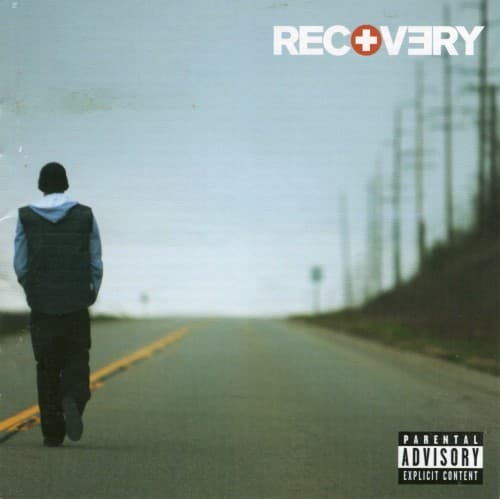
Recovery is the album where Eminem chose survival over style. After Relapse landed with a thud in 2009—fans balked at the accent gimmick, critics called it dated, and Eminem himself admitted he was just making rap records without caring what anyone thought—he scrapped the sequel and started over. The result debuted at number one, sold 741,000 copies in its first week, spawned two chart-topping singles, and became the best-selling album worldwide in 2010. It also marked the moment Eminem stopped sounding like Eminem and started sounding like someone trying to fix Eminem.
The thesis here is simple: Recovery works as a career correction but fails as a creative statement. The writing trades menace for therapy-speak, the production outsources the sound to a roster of hired guns chasing 2010 radio trends, and the sequencing lurches between recovery anthems and horrorcore leftovers with no tonal center. What made the first three albums essential was the balance between technical skill and psychological chaos; Recovery tips entirely toward the former, delivering seventeen tracks of competent, effortful rap that rarely justifies its own length. The singles are built to last, but the album around them feels like a boardroom decision disguised as a confessional.
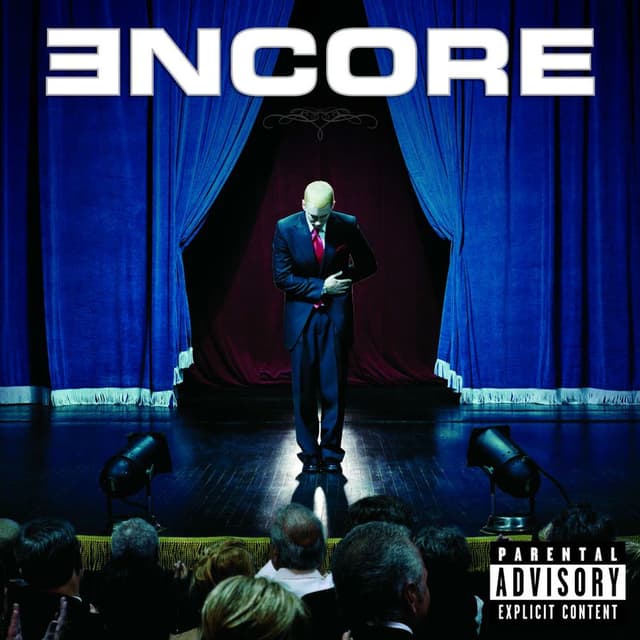
The stakes were real. Eminem had spent the better part of five years either high or sober but artistically rudderless. Encore was a mess, Relapse was a creative dead end, and the idea of a sequel to Relapse looked like doubling down on failure. Recovery was the reset: drop the accents, ditch the murder fantasies, hire new producers, write about getting clean and staying relevant. The pivot worked commercially—this is his third best-selling studio album and the one that proved he could still command pop radio in an era dominated by Drake and Lil Wayne. But the cost was audible: the sound is clean, expensive and generic, and the writing rarely earns the sincerity it demands.
Stadium Rap Built by Committee
The production on Recovery is professional, polished and largely forgettable. Eminem brought in Alex da Kid, Just Blaze, Boi-1da, Jim Jonsin and Havoc alongside in-house producers like DJ Khalil and Emile, and the result sounds like a focus group chasing 2010 pop-rap trends rather than setting them. The beats are big, clean and designed for arenas: electric guitars on "Love the Way You Lie," distorted guitars over minimal drums on "You're Never Over," festival-ready synth stabs on "Not Afraid." The menace and grit that defined his first three albums are gone, replaced by soft-rock samples and stadium drums that could have backed any rapper with a budget that year.
Alex da Kid's work on "Love the Way You Lie" is the template: a piano loop, an electric guitar that swells during the hook, and enough space for Rihanna to sing about grief and regret while Eminem raps about an abusive relationship. The production is competent and radio-ready, but it is also generic—swap Eminem for any other rapper willing to play the confessional card and the beat would work just as well. The same problem dogs Boi-1da's contributions on "Not Afraid" and "Seduction," where the mid-tempo drums and minor-key melodies sound interchangeable. Just Blaze salvages "No Love" with a Haddaway sample and a brighter tempo, and "Cold Wind Blows" opens with a festive energy that hints at what a more adventurous version of this album might have sounded like. But those moments are outliers; most of the production here is monochromatic and built for maximum commercial reach rather than sonic personality.
The writing pivots hard toward introspection and recovery, and the shift is both the album's selling point and its biggest weakness. Eminem raps plainly about getting sober, repairing his image and rejecting his Slim Shady persona, and when the subject matter is specific—"Going Through Changes" samples Black Sabbath and details his grief over Proof's death and his discomfort with fame, "Talkin' 2 Myself" admits the harm Relapse did to his credibility—the writing has weight. But too many tracks rely on simile strings, punchline stacking and endless atonement metaphors that sound effortful rather than urgent. The cleverness varies wildly: some verses snap with the technical skill that made him essential, others bog down in dated pop culture references and wordplay that lands with a thud.
The delivery is technically sharp but tonally confused. Eminem raps fast, loud and with the same rhythmic precision that defined his peak work, but the constant shouting and the lack of dynamic range wear thin over seventeen tracks. The switch from Slim Shady's cartoonish menace to Marshall's plain confessional tone is deliberate, but the absence of skits or any breathing room means the album feels relentless in the wrong way. When he slows down—"Space Bound," "Going Through Changes"—the vulnerability registers, but those moments are surrounded by tracks where he sounds like he is performing recovery rather than living it. Pink, Rihanna and Lil Wayne deliver solid guest spots, but the album leans too heavily on hooks sung by pop artists to carry the emotional weight that the verses cannot.
The biggest flaw is the refusal to commit. Recovery wants to be a recovery album, but it also wants to keep Slim Shady alive for the fans who came for the horror. Tracks like "On Fire," which recycles murder-and-dismemberment fantasies, and "So Bad," which views the darker side of his alter ego, feel like contractual obligations rather than creative choices. The result is an album that lurches between sincerity and shock value with no tonal center, and the lack of cohesion makes the listening experience feel like two separate projects taped together.
A Bloated Tracklist With No Breathing Room
At seventeen tracks with no skits, Recovery is too long and poorly sequenced. The opening stretch hits hard with sharper flows and festive energy, then immediately bogs down with tonal whiplash that defines the rest of the runtime. The first third works as a statement of intent—Eminem is sober, angry and ready to reclaim his spot—but the momentum sags by the halfway point and never recovers.
The best stretch is the five-song run in the middle section, where the writing is specific and the production varies enough to hold attention. The mission statement arrives built for stadiums and motivational playlists, while the strongest verses land over a Haddaway sample that brightens the sound. But that five-song run is surrounded by filler: lightweight party tracks that sound like Encore leftovers, competent but forgettable mid-tempo cuts, and hooks that drag despite their craft.
The back half collapses under its own weight. Festive beats arrive with no real substance, the rap-as-abusive-relationship metaphor gets rehashed with diminishing returns, and multiple tracks feel like creative dead ends. The album should have ended at its creative and commercial peak, but instead it drags on for two more tracks, including a tribute that sounds sincere but arrives too late to land. The sequencing rewards no one: casual listeners will bounce after the singles, and fans looking for depth will find the pacing exhausting.
The Reset That Worked Once
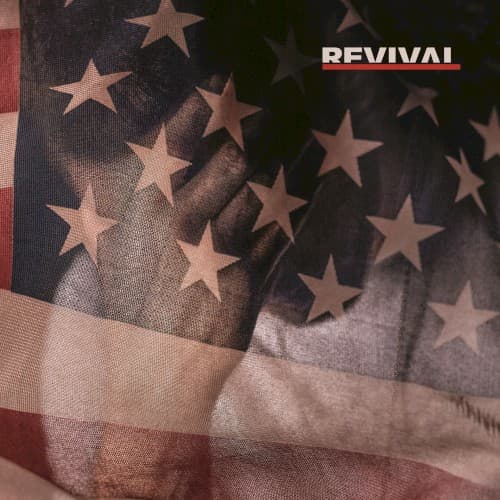
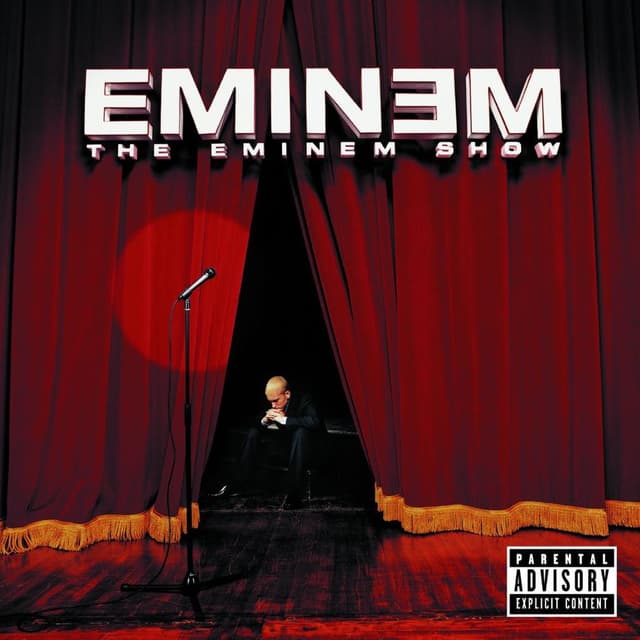
Recovery ranks fifth in Eminem's catalog, behind The Marshall Mathers LP, The Eminem Show, The Slim Shady LP and Relapse. It is better than Revival, Kamikaze and The Death of Slim Shady, but that is grading on a curve. This is the album where Eminem chose commercial viability over creative risk, and the result is a competent, bloated pop-rap record that sounds less like a return to form than a retreat from everything that made him essential. The singles justify their continued presence on radio and playlists, but the deep cuts aged poorly, and the soft-rock sampling and relentless sincerity became the template for the next decade of diminishing returns.
This album is for casual fans who want the hits, completists who need every entry in the catalog, and anyone curious about the pivot that saved his career. Skip it if you want the menace, invention or psychological chaos that defined his first three albums, or if you have no patience for seventeen tracks of therapy-speak and punchline stacking. The production is competent but generic, the writing is technically sharp but rarely urgent, and the sequencing is a slog.
Start with "Not Afraid," "Love the Way You Lie" and "No Love" to hear the singles that still work. If those land, try "Going Through Changes" for the most specific writing on the album and "Cold Wind Blows" for the sharpest flow. If you want a better Eminem album from this era, go back to The Eminem Show for the last time the ambition and the execution aligned. If you want to hear where Recovery led, listen to Relapse to understand what he was running from, then decide whether the reset was worth the cost. Recovery is not a bad album, but it is the moment Eminem stopped sounding dangerous and started sounding like someone managing a brand.
Track by track
Track Listing
Cold Wind Blows
StandoutThe album's sharpest opener since "Kill You," built on a Just Blaze beat with a festive energy and a flow that snaps harder than most of what follows. Eminem raps about settling scores with rival celebs and his doomed relationship with his ex-wife, and the writing is specific enough to land. The production has personality, the delivery is aggressive without shouting, and the track sets a tone the rest of the album cannot sustain. This is what the whole record should have sounded like: technically sharp, tonally mean, and uninterested in apologizing.
Talkin’ 2 Myself
SolidA confessional track where Eminem admits the harm Relapse did to his credibility, rapping that he was on drugs during Encore and flushing them out during Relapse. The self-awareness is welcome, and the verses are specific, but the DJ Khalil production is generic mid-tempo rap-rock and the hook drags. Kobe provides additional vocals that add nothing. The track works as a thesis statement but not as a song worth returning to.
On Fire
WeakA murder-and-dismemberment fantasy that recycles the Slim Shady playbook with none of the invention or menace that made those tracks work in 1999. The Mr. Porter production samples Mandrill and has a decent groove, but the writing is effortful punchline stacking, and the track feels like a contractual obligation rather than a creative choice. This is filler, and its placement early in the tracklist sets the tonal whiplash that dogs the rest of the album.
Won’t Back Down
SolidA rap-rock track featuring Pink that aims for stadium-anthem status and lands halfway. The DJ Khalil production is competent but generic, Pink's hook is serviceable, and Eminem's verses are technically sharp but thematically repetitive. The song appeared in a Call of Duty: Black Ops commercial and works better as background music for a video game trailer than as a standalone track. Certified platinum, which says more about its promotional reach than its artistic merit.
W.T.P.
WeakA lightweight party track with a simple rhythmic frame and singing that recalls his early records. The production by Supa Dups, Jason Gilbert and Eminem is the most playful on the album, but the writing is thin and the energy feels forced. This is an Encore leftover that somehow made the final tracklist, and it contributes nothing to the recovery narrative or the sound. Skip it.
Going Through Changes
StandoutThe album's most specific and vulnerable track, built on a Black Sabbath sample that Emile flips into a minimal, mournful backdrop. Eminem raps about his grief over Proof's death, his discomfort with fame, and the isolation that came with getting sober. The writing is direct and detailed, the delivery is plainspoken, and the absence of shouting or punchline stacking makes the emotion register. The hook drags slightly, but this is one of the few tracks where the introspection feels earned rather than performed. Essential.
Not Afraid
StandoutThe lead single and the album's mission statement, a mid-tempo anthem about ending drug abuse, feuds and violence. The Boi-1da production is built for stadiums, the hook is designed for motivational playlists, and the verses are technically sharp. The song debuted at number one on the Billboard Hot 100, won Best Solo Rap Performance at the Grammys, and sold over five million copies. It is effective as a career reset and a commercial pivot, but the writing relies too heavily on atonement metaphors and the production is generic. Start here if you are new to the album, but do not expect the menace or invention that defined his peak work.
Seduction
SolidA Boi-1da and Burnett production with minor-key melodies and mid-tempo drums that sound interchangeable with "Not Afraid." The writing is competent but forgettable, the hook is serviceable, and the track contributes nothing to the album's arc. This is professional, polished filler that could have been cut without loss.
No Love
StandoutThe album's best track, built on a Haddaway sample that Just Blaze flips into a brighter, faster tempo that lifts the energy. Lil Wayne hypes the verses, and Eminem delivers what some critics called the best verses of his career: the flow is sharp, the wordplay lands, and the delivery has urgency that the rest of the album lacks. The song peaked at number 23 on the Billboard Hot 100 and remains the deep cut most worth hearing. Start here after the singles.
Space Bound
WeakA ballad about an ambiguous relationship, with additional vocals by Steve McEwan and production by Jim Jonsin that leans on soft-rock tropes. The writing is vague, the hook drags, and the track feels like an attempt to recreate "Stan" without the storytelling craft. The music video, directed by Joseph Kahn and starring Sasha Grey, caused controversy for a scene where Eminem shoots himself. Certified gold, but the song itself is a slog.
Cinderella Man
SolidA track with a festive beat by Script Shepherd and uncredited vocals by Kobe, built on the template of every Eminem album since Encore: minor keys, post-grunge rock traces, and no real substance. The writing is competent but the song goes nowhere, and its placement in the tracklist marks the point where the album's momentum sags for good. Certified platinum on promotional reach alone.
25 to Life
SolidA DJ Khalil production that extends the rap-as-abusive-relationship metaphor to the point of exhaustion. The writing is tighter than most of the album, but the conceit is stale, and the track feels like a retread of ideas Eminem explored more effectively on earlier records. Additional vocals by Liz Rodrigues add nothing. Certified gold, but forgettable.
So Bad
WeakA Dr. Dre and Nick Brongers production that views the darker side of Slim Shady, with additional vocals by Sly Jordan. The writing is lazy punchline stacking, the production is generic, and the track feels like a creative dead end. This is one of the weakest songs on the album, and its inclusion undermines the recovery narrative. Recorded in the same Hawaii sessions that produced "On Fire," which explains the tonal confusion.
Almost Famous
WeakAnother DJ Khalil production with additional vocals by Liz Rodrigues, framed as a return to Slim Shady territory. The writing is slightly sharper than "So Bad," but the track still feels like a contractual obligation, and the punchlines rarely land. This is filler that should have been cut. Certified gold.
Love the Way You Lie
StandoutThe album's commercial and creative peak, a hip-hop ballad featuring Rihanna that describes a couple's refusal to separate despite an abusive relationship. Alex da Kid built a piano loop and electric guitar backdrop that leaves room for Rihanna's grief-and-regret chorus and Eminem's detailed verses about cycles of violence. The song debuted at number two, peaked at number one for seven consecutive weeks, sold over six million copies in the United States, and became Eminem's best-selling single of all time. The music video, directed by Joseph Kahn and starring Dominic Monaghan and Megan Fox, was the best-performing act at the 2010 MTV Video Music Awards. The song works because the writing is specific, the production is restrained, and Rihanna's hook carries the emotional weight. Essential.
You’re Never Over
StandoutA tribute to Proof, Eminem's best friend and fellow D12 member who was killed in 2006. The production by Just Blaze uses distorted guitars over a minimal beat, and Eminem sings the chorus. He stated on Shade 45 that he had tried recording a Proof tribute multiple times and that every attempt fell short until this one, which he considered the album's most important song. The sincerity is audible, but the track arrives too late in the sequencing to land with the impact it deserves. The writing is plainspoken and the delivery is vulnerable, but the song feels like an epilogue rather than a climax.
[untitled]
SolidA hidden track produced by Havoc and Magnedo7 that samples Lesley Gore and adds nothing to the album. This is a footnote.