The Philosopher of Black Hippy: Ab-Soul's Underground Intellectual Legacy
Herbert Anthony Stevens IV, known professionally as Ab-Soul, carved out the most enigmatic corner of Top Dawg Entertainment's empire during the label's 2010s ascent. While label mates Kendrick Lamar and Schoolboy Q commanded mainstream attention, Ab-Soul cultivated a devoted underground following drawn to his conspiracy theory-laden bars, dense wordplay, and willingness to explore uncomfortable philosophical territory. Born in Los Angeles and raised in the Carson area, he emerged as the Black Hippy collective's designated truth-seeker, the artist who referenced Aleister Crowley and government cover-ups with equal conviction.
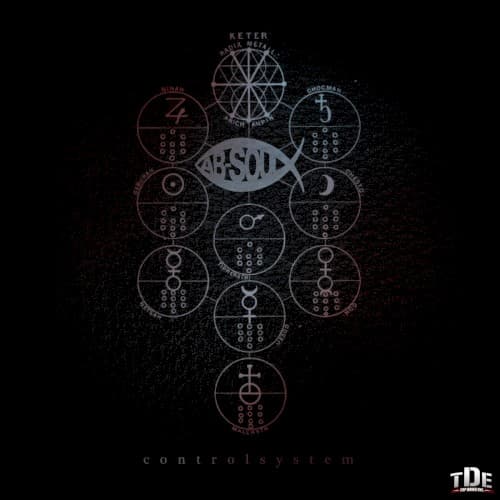
His 2012 breakthrough Control System established the template: intricate multi-syllabic rhyme schemes wrapped around questions about religion, mortality, and societal control. The album earned critical respect without commercial explosion, a dynamic that would define his entire career. Unlike his TDE peers who balanced commercial appeal with artistic credibility, Ab-Soul remained stubbornly committed to complexity over accessibility. This dedication created a paradox: he's simultaneously one of the most lyrically respected rappers of his generation and one of the least commercially successful members of hip-hop's most dominant independent label. His influence operates beneath the surface, shaping how younger artists approach conscious rap in the streaming era.
Conspiracy Bars and Multi-Entendre Mastery: Decoding Ab-Soul's Lyrical Architecture
Ab-Soul's technical approach prioritizes internal rhyme schemes and layered meanings over immediately digestible hooks. His verses often require multiple listens to unpack, with lines functioning on literal, metaphorical, and reference-heavy levels simultaneously. He deploys multi-syllabic rhyme patterns that extend across entire bars, creating rhythmic complexity that appeals to rap purists. His flow alternates between measured, deliberate pacing that emphasizes wordplay and sudden bursts of rapid-fire delivery when the beat allows. This technical density occasionally works against mainstream accessibility but cements his reputation among lyrical enthusiasts.
Production-wise, Ab-Soul gravitates toward atmospheric, sample-based beats that provide space for his verbal gymnastics. His early work featured the soulful, jazz-inflected production that defined TDE's house sound, with contributions from in-house producers like Digi+Phonics, Sounwave, and Tae Beast. Control System showcased this aesthetic perfectly: warm basslines, dusty drums, and carefully chopped vocal samples creating a meditative backdrop for his philosophical inquiries. As his career progressed, he experimented with more contemporary trap-influenced production without abandoning the contemplative mood that defines his catalog.
Thematically, Ab-Soul operates in territory most rappers avoid. He weaves conspiracy theories, occult references, and critiques of organized religion into verse structures that also address street realities and personal trauma. The death of his longtime girlfriend Alori Joh became a recurring motif, adding genuine emotional weight to his more abstract theorizing. This combination of street credibility, intellectual curiosity, and spiritual searching creates a unique tonal fingerprint. When he references the Illuminati or questions historical narratives, it feels less like shock value and more like genuine inquiry, even when the conclusions raise eyebrows.
From Black Hippy's Rise to Independent Integrity: Ab-Soul's TDE Journey
Ab-Soul's professional trajectory began in the mid-2000s when he connected with Top Dawg Entertainment's founder Anthony Tiffith. His early mixtapes, including 2007's Longterm, established him within Los Angeles underground circles before the formation of Black Hippy alongside Kendrick Lamar, Schoolboy Q, and Jay Rock formalized his position within TDE's roster. The collective's competitive chemistry pushed all four members to sharpen their technical abilities, with Ab-Soul often serving as the wildcard who pulled verses into unexpected conceptual directions.
His official debut Longterm Mentality arrived in 2011, distributed independently before TDE's Interscope partnership materialized. The project introduced his fascination with consciousness expansion and government skepticism, though it lacked the sonic cohesion of his subsequent work. Control System in 2012 represented his artistic breakthrough. Released during TDE's pivotal year—sandwiched between Kendrick's Section.80 buzz and good kid, m.A.A.d city's imminent explosion—the album showcased Ab-Soul's fully realized vision. Tracks like "Terrorist Threats" featuring Danny Brown and "Pineal Gland" demonstrated his ability to balance accessibility with complexity. The project's critical acclaim established him as a formidable lyricist, even as commercial metrics lagged behind his label mates.
These Days, his 2014 major label debut through Interscope, represented a creative stumble that Ab-Soul himself later acknowledged. The album attempted to balance his esoteric tendencies with radio-friendly production, resulting in a disjointed project that satisfied neither underground purists nor mainstream audiences. Its commercial underperformance created professional pressure, but also clarified his artistic identity. Do What Thou Wilt in 2016 marked a return to form, embracing the philosophical density that defined Control System. The album's title, lifted from Aleister Crowley's Thelemic philosophy, signaled Ab-Soul's recommitment to intellectual provocation over commercial compromise.
The gap between Do What Thou Wilt and 2022's Herbert represented the longest silence of his career. During this period, TDE's commercial dominance grew through Kendrick's continued success and the rise of SZA, while Ab-Soul worked outside the release cycle spotlight. When Herbert finally arrived, it functioned as both comeback and reckoning—more personal than previous work, addressing mental health, legacy concerns, and his place within hip-hop's hierarchy. The album acknowledged his underground king status while questioning what that designation actually meant in an industry increasingly indifferent to pure lyricism.
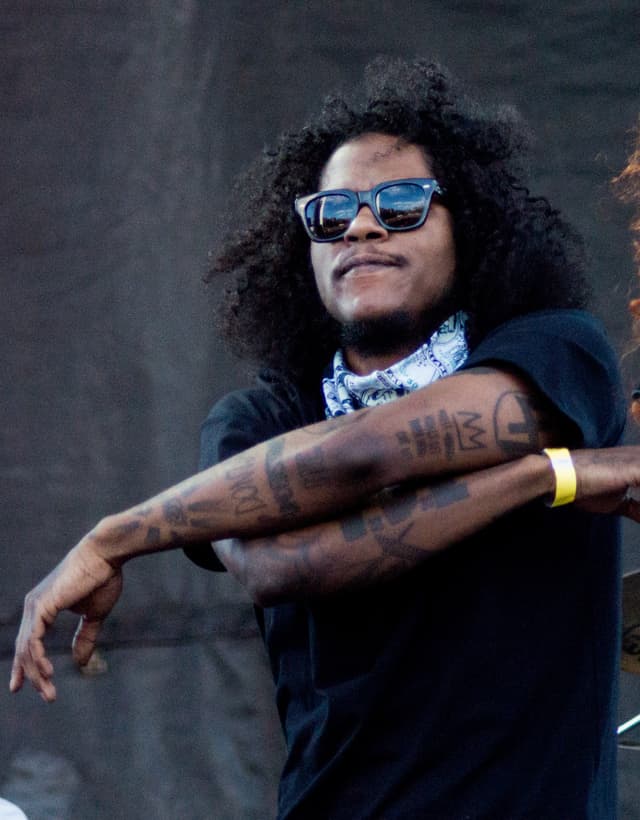
Throughout his career, Ab-Soul's festival performances and live shows have reinforced his cult following. His stage presence lacks the theatricality of some peers, instead emphasizing verbal precision and crowd engagement through intricate call-and-response patterns. He treats live performance as an extension of his lyrical philosophy, assuming audience familiarity with deep cuts and rewarding dedicated listeners with extended verses and unreleased material.
The Rap Nerd's Favorite Rapper: Ab-Soul's Influence on Conscious Complexity
Ab-Soul's lasting impact exists in the space between commercial viability and artistic integrity. He proved that a rapper could maintain a career on a major-affiliated label while refusing to simplify their message or chase trends. His influence is most visible in the generation of artists who blend conspiracy consciousness with technical virtuosity—rappers who understand that accessibility and intelligence aren't mutually exclusive, but who choose complexity anyway. His willingness to interrogate uncomfortable subjects created permission for younger artists to explore similar territory without defaulting to conscious rap's traditional aesthetic.
Within TDE's legacy, Ab-Soul represents the label's commitment to artistic diversity. While Kendrick became the generation-defining genius and Schoolboy Q the charismatic street narrator, Ab-Soul occupied the crucial role of resident philosopher, the artist who reminded listeners that hip-hop could still function as genuinely challenging art. His presence on the roster validated TDE's claims of prioritizing artistry over commerce, even as the label's other signings achieved platinum certifications.
His technical influence ripples through underground hip-hop's ongoing emphasis on wordplay density. The current generation of lyrical revivalists—artists who prioritize bar construction and reference-heavy writing—operate in creative space Ab-Soul helped expand. He demonstrated that conspiracy theory-adjacent content could coexist with street narratives and personal vulnerability, creating a template that numerous artists have since adapted. Whether he receives direct credit or not, Ab-Soul's fingerprints mark the contemporary underground's intellectual ambition and its refusal to dumb down for algorithmic approval.