The scorecard
7.0/10 · Good
- Writing25%
- 7.0
- Production25%
- 7.5
- Delivery15%
- 8.0
- Cohesion15%
- 5.5
- Originality10%
- 6.5
- Replay value10%
- 6.5
The confessional tracks on All Things Go and Bed of Lies show growth in specificity and emotional range, but the album splits between genuine introspection and recycled flexing without fully committing to either.
Dr. Luke, Boi-1da and Detail build beats that serve both the ballads and the bangers, with Pills n Potions and Feeling Myself standing out for their restraint, though the dancehall pivot on Trini Dem Girls lands awkwardly.
Minaj switches cadences and tones with precision across the album, alternating between feather-light singing on Pills n Potions, trance-like commands on Get on Your Knees, and rapid technical runs on Want Some More.
At 21 tracks the album sags badly in the middle stretch from Four Door Aventador through Buy a Heart, and the tonal whiplash between Grand Piano and the deluxe tracks breaks any momentum the standard edition built.
The decision to foreground vulnerability over spectacle was new territory for Minaj in 2014, but the ballad-heavy approach pulls from pop playbooks rather than expanding what a rap album by a woman could sound like.
The singles and the opening trio hold up, but the bloated tracklist and the uneven back half make full replays a chore; most listeners will build their own playlist from the highlights.
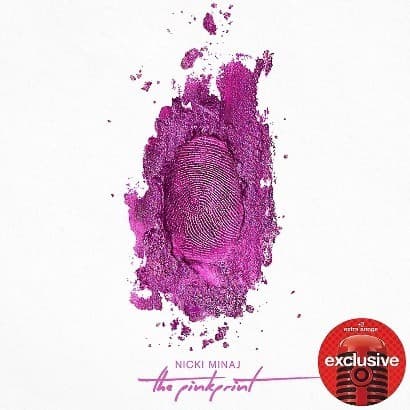
Nicki Minaj The Pinkprint — The Cost of Choosing Relatability Over Dominance
The Pinkprint arrives with Minaj announcing she wants to be heard as human rather than cartoon, and the album opens with the evidence: All Things Go catalogs her cousin's murder, her mother's distance, an abortion, fame's velocity, all in one mid-tempo sprawl that reads more like therapy than performance. It is a deliberate departure from the wigs and accents that made her famous, a bid for the kind of respect that comes from confessional writing rather than technical dominance. The thesis is clear by the second verse: Minaj believes the path to legitimacy runs through vulnerability, and she is willing to mute her strengths to prove she can write like the men who get taken seriously.
The problem is not that the emotional material is unconvincing. The problem is that it comes at the expense of the rapping that made her the most technically gifted woman in mainstream rap, and the album never reconciles the two. The Pinkprint swings between raw autobiography and hollow club records with no transition, as if Minaj is still deciding which version of herself the audience will accept. The ballads work when the production stays out of the way; the bangers work when she stops trying to make them mean something. But at 21 tracks, the album is too long to sustain either mode, and the result is a project that documents Minaj's uncertainty about her own voice more clearly than it makes the case for her as an album artist.
When the Rapping Takes a Backseat to the Feelings
The production across The Pinkprint is more restrained than anything Minaj had released to that point, built around piano loops, sparse drums and bass-heavy minimalism that privileges mood over spectacle. Dr. Luke and Cirkut craft Pills n Potions as a slow-burning ballad with haunting drums and blooming chants that give Minaj room to sing in a near-whisper, and the track succeeds because the production does not compete with the writing. The same restraint defines Bed of Lies, where rolling drums and booming bass sit under Skylar Grey's chorus without overwhelming it, and All Things Go, where heavy bass and subtle synths let Minaj catalogue her losses without distraction. These tracks prove the album's central gamble can work: when the beats step back, Minaj's writing sharpens.
The problem is the writing itself does not stay sharp. All Things Go is specific about her cousin Nicholas Telemaque's murder and her strained relationship with her mother, but I Lied and The Crying Game trade that specificity for vague regret about unnamed men, and the emotional weight dissipates. The Crying Game benefits from Jessie Ware's soulful vocals and downbeat guitar loops, but Minaj's verses alternate between devastating confession and pensive crooning without committing to either. By the time the album reaches Grand Piano, the final ballad on the standard edition, the formula is exhausted: pianos, violins, no drums, lyrics about feeling played. It is a competent song with nothing left to say.
The rap tracks fare better when Minaj leans into technical performance rather than emotional revelation. Want Some More features uncredited vocals from Jeremih and sees Minaj stroking her own ego, referencing Eminem, Kanye West and Lil Wayne while declaring herself her only competition. The verse is dense with wordplay and cadence switches, and it works because she is not trying to make it vulnerable. Feeling Myself, built over a West Coast synth and driving bass with bells and whistles, pairs Minaj with Beyoncé for a track that is pure flex with no emotional pretense. Only, produced with icy minimalism and dirty lyrical metaphors, benefits from Drake and Lil Wayne guest verses that match Minaj's energy rather than dilute it.
But the album cannot decide whether it wants to be a confessional project or a highlight for Minaj's technical dominance, and the middle stretch suffers for it. Four Door Aventador aims for mafia imagery and Notorious B.I.G. comparisons but lands as filler with humming production and no hooks. Favorite sees Minaj and Jeremih trading sexually explicit verses with no narrative purpose. Buy a Heart, featuring Meek Mill singing the hook, meanders through a beat that samples Henry Krinkle and Alicia Keys without building to anything. These tracks are not weak because they lack ambition; they are weak because they have none, and the album is too long to hide them.
The production highlights arrive when the album remembers it is a rap record. Anaconda, produced by Polow da Don and Da Internz, heavily samples Sir Mix-a-Lot's Baby Got Back and turns it into a raunchy celebration of sex lingo and body politics that peaked at number two on the Billboard Hot 100. Trini Dem Girls, a dancehall track featuring LunchMoney Lewis, contains echoing handclaps and a Diwali Riddim with a blaring chorus, though the genre pivot feels like an experiment Minaj is trying on rather than something she owns. The Night Is Still Young is pure pop with verses revolving around a routine night out, functional but forgettable. The production across the album is professional and often effective, but it cannot solve the sequencing problems or the lack of a clear vision.
An Album That Peaks Early and Sags for Ten Tracks
The album front-loads its strongest material and then struggles to justify its length. The opening stretch establishes a confessional mode across three ballads, and the sequencing works because the tracks share a tonal consistency. The fourth track shifts into trance-like commands about oral sex, and the contrast is jarring but intentional: Minaj is signaling she can do both vulnerability and dominance. The next two tracks follow as pure rap demonstrations, and the first six builds a case for the album as a hybrid project.
Then the pacing collapses. The middle section is a five-track stretch where the album loses its argument. The songs are not uniformly weak, but they lack the focus of the opening or the stakes of the singles, and the album starts to feel like a playlist rather than a statement. Two single-ready pivots arrive next, and while one works as a standalone moment, it disrupts any remaining flow. Another pop detour follows, and by the time two ballads arrive late in the tracklist, they feel like afterthoughts despite being released as singles.
The closing track on the standard edition is a ballad that contains no rapping, only pianos and violins, and it gestures toward a conclusion the album has not earned. The deluxe tracks feel tacked on rather than essential, and the later digital reissue pushes the total to 23 tracks on some versions. No sequencing survives that bloat. The album peaks in the first 20 minutes and never recovers, and the length obscures the fact that Minaj recorded a solid 12-track project buried inside a 21-track sprawl.
A Transitional Album That Tried to Please Everyone and Convinced No One
The Pinkprint is Nicki Minaj's attempt to be taken seriously as an album artist, and it fails not because she lacks the skills but because she does not trust them. The confessional material on All Things Go and Bed of Lies proves she can write with specificity and emotional weight, but she buries those tracks under filler and singles that pull in opposite directions. The rapping on Want Some More and Feeling Myself proves she remains the most technically gifted woman in mainstream rap, but she sidelines that skill for long stretches to make room for ballads that do not require it. The result is an album that sounds like a compromise between Minaj's instincts and her label's demands, and the 21-track runtime ensures that neither vision wins.
The album works best for listeners who want Minaj vulnerable and unguarded, willing to sing about abortions and family trauma rather than hide behind alter egos. It works less well for anyone who came for the rapping, because the album rations it. The production is professional throughout, with Dr. Luke, Boi-1da and Detail delivering beats that serve the material, but no amount of polish fixes the sequencing or the lack of a unifying idea. The singles, Anaconda, Pills n Potions and Only, are the entry points; skip Four Door Aventador, Buy a Heart and The Night Is Still Young unless you are completists. Bed of Lies and All Things Go are the strongest ballads. Feeling Myself is the best pure rap track.
The Pinkprint received a Grammy nomination for Best Rap Album and debuted at number two on the Billboard 200 with 244,000 album-equivalent units, and it has since been certified double platinum. It has aged as a document of Minaj's identity crisis at the peak of her commercial power, a snapshot of an artist who could do everything but did not know which thing would earn her respect. For that reason it remains more interesting than most pop-rap albums from 2014, even if it is too long and too conflicted to rank among the great rap albums by women. Listen to it for the moments when Minaj stops performing relatability and just raps.
Track by track
Track Listing
All Things Go
StandoutThe album's strongest opener and its most specific piece of writing. Minaj catalogs her cousin Nicholas Telemaque's murder, her abortion, her strained relationship with her mother, and fame's velocity over heavy bass and subtle synths that stay out of the way. The mid-tempo beat allows the verses to breathe, and the lyrics work because they name concrete losses rather than gesturing at vague pain. The sequencing choice to open with this rather than a banger signals the album's intent to foreground vulnerability, and the track earns that gamble. It functions as a sequel to Autobiography from her Sucka Free mixtape, and the callback works because the writing has sharpened in the years between. The only misstep is the length: at four minutes and 53 seconds it could lose 30 seconds without losing impact, but the sprawl is part of the emotional unloading. This is the thesis statement, and it is the best case Minaj makes for herself as a confessional writer.
I Lied
SolidA ballad with torpid production that does not change tempo, revolving around Minaj admitting she denied her love for a man to stop him from breaking her heart. The concept is sound but the execution is vague: the song names no specifics, no moments, no stakes beyond the title's admission. It works as a tonal continuation of All Things Go but lacks the detail that made that track compelling. The five-minute runtime feels unearned when the song says the same thing in the first verse that it says in the last. Functional but forgettable.
The Crying Game
StandoutThe most emotional song on the album and one of the few times the guest feature elevates the track rather than dilutes it. Jessie Ware, initially uncredited due to a printing mistake, adds haunting and soulful vocals to the chorus while Minaj alternates between devastating verses and pensive crooning. The production mixes somber balladry with downbeat guitar loops, and the song benefits from the contrast between Ware's sustained notes and Minaj's rapid delivery. The writing is less specific than All Things Go but more focused than I Lied, and the collaboration feels organic rather than stitched together. A strong early track that proves the confessional mode can work when the production and the guest vocal are this dialed in.
Get on Your Knees
StandoutA trance-like track where Minaj demands oral sex from her male partner over a production that hints at fetish and power dynamics. Ariana Grande's vocals add a layer of pop polish, but the song is built around Minaj's rapping, and the verses work because she commits fully to the sexual content without trying to make it metaphorical. The contrast with the three ballads that precede it is jarring, and the sequencing choice signals that Minaj is not interested in a one-note confessional album. The track is slight but effective, and it earns its place by breaking up the emotional weight of the opening trio.
Feeling Myself
StandoutThe best pure rap track on the album and the most successful collaboration. Beyoncé's appearance is not a gimmick; she matches Minaj's energy and adds a West Coast swagger to the production built over driving bass, synth, bells and whistles. The track is pure flex with no emotional pretense, and it works because both artists commit to the mode. Minaj's verses are dense with wordplay and cadence switches, and the production stays minimal enough to let the rapping lead. The sequencing places it after Get on Your Knees, and the two tracks together establish that Minaj can do dominance and technical performance as well as vulnerability. This is the sound the album should have centered.
Only
StandoutA hip-hop showcase with Drake, Lil Wayne and Chris Brown that benefits from icy production and dirty lyrical metaphors. Chris Brown sings the chorus, Drake and Lil Wayne contribute verses that match Minaj's energy, and the song works because all four artists are rapping or singing about the same thing: dominance, sex, and competition. The production sits ominously underneath the verses without overwhelming them, and the track proves Minaj can anchor a posse cut without getting lost in it. The decision to release this as the third single made commercial sense; it peaked at number 12 on the Billboard Hot 100 and topped the Hot R&B/Hip-Hop Songs chart. A strong single and a rare moment where the album's guest features all work.
Want Some More
StandoutMinaj stroking her own ego and checking anyone who doubts her, with uncredited vocals from Jeremih. The verses reference Eminem, Kanye West and Lil Wayne, and Minaj declares herself her only competition. The writing is sharp, the cadence switches are precise, and the track works because it is pure technical performance with no emotional baggage. The production is minimal, which lets the rapping lead, and the song earns its place as a showcase for Minaj's gifts. This is what the album sounds like when she stops trying to be relatable and just raps.
Four Door Aventador
WeakHumming and low-key production with lyrics revolving around mafia imagery, compared to the work of the Notorious B.I.G. The comparison does not hold: the track lacks the narrative specificity and the production weight that made Biggie's mob fantasies compelling. The beat meanders, the hook is nonexistent, and the three-minute runtime feels like filler. Minaj is technically proficient on the verses, but the song has no reason to exist beyond filling out the tracklist. Skippable.
Favorite
WeakA sexually explicit track featuring Jeremih that sees Minaj rapping about wanting to be the primary role in a man's life while Jeremih sings about wanting to be her favorite. The verses are competent but the song lacks stakes or specificity, and the four-minute runtime is unearned. The production is serviceable but the track adds nothing to the album's argument, and it arrives in the middle of a stretch where the sequencing collapses. Filler.
Buy a Heart
WeakMeek Mill sings the hook over a beat that samples Henry Krinkle's Stay and Alicia Keys' Un-Thinkable, and the song meanders through four minutes without building to anything. The production is overstuffed, the hook is weak, and Minaj's verses do not salvage it. The track arrives late in the sag, and by this point the album has lost any momentum the opening built. Filler.
Trini Dem Girls
SolidA dancehall track featuring LunchMoney Lewis with echoing handclaps and a Diwali Riddim with a blaring chorus. The production is competent and the genre pivot is ambitious, but the song feels like an experiment Minaj is trying on rather than something she owns. The track works as a tonal shift after the previous filler, but it does not justify its place on an album that is already too long. The three-minute runtime keeps it from becoming a drag, but it is ultimately a detour that the album did not need.
Anaconda
StandoutThe most commercially successful track on the album and a raunchy celebration of body politics that heavily samples Sir Mix-a-Lot's Baby Got Back. Produced by Polow da Don and Da Internz, the song peaked at number two on the Billboard Hot 100 and topped the Hot R&B/Hip-Hop Songs and Hot Rap Songs charts for six weeks. The production is minimal, the verses are packed with 2014 sex lingo, and the song works because Minaj commits fully to the spectacle without trying to make it meaningful. The decision to place it 12 tracks into the album disrupts any remaining flow, and the song functions better as a standalone single than as part of the album arc. Still, it is one of the few tracks on the album that knows exactly what it is and executes without hesitation.
The Night Is Still Young
WeakA pop song with verses revolving around a routine night out at a club. The production is polished, the hook is functional, and the song works as radio filler but adds nothing to the album's argument. It was released as the sixth and final single and peaked at number 31 on the Billboard Hot 100, and the commercial performance reflects its disposability. Skippable.
Pills n Potions
StandoutThe lead single and one of the album's strongest ballads, built as a slow-burning piano track with prominent elements of hip-hop, R&B and pop. The song opens with a sparse, haunting drum beat while Minaj sings the pre-chorus in a feather-like near-whisper, and the production builds with blooming chants and an echo effect on her vocals. The lyrics revolve around someone who has wronged her but she still loves, and the writing works because it is specific enough to feel personal without naming names. The decision to release this as the lead single in May 2014 signaled the album's confessional intent, and the track peaked at number 24 on the Billboard Hot 100. It is one of the few ballads on the album that earns its runtime, and the restrained production serves the writing rather than competing with it.
Bed of Lies
StandoutA slow-tempo ballad featuring Skylar Grey, built over triumphant production, pianos, rolling drums and booming bass. Grey wrote and recorded a demo version, and Minaj added verses of her own about an ex-lover. Grey opens the song with the chorus and a restrained keyboard set before Minaj begins to rap, and the collaboration works because both artists are serving the same emotional purpose. The production is more bombastic than Pills n Potions, but it works because the song is about anger and betrayal rather than regret. The decision to release this as the fourth single and perform it at the 2014 MTV Europe Music Awards gave the album one of its best promotional moments, and the track holds up as one of the few times Minaj's confessional mode produces a genuinely compelling song. It peaked at number 62 on the Billboard Hot 100, which undersells its quality.
Grand Piano
SolidThe final song on the standard edition and the only track that features no rapping from Minaj and no drums. A ballad built over pianos and violins, with lyrics revolving around Minaj feeling stupid and played by a former lover. The production is delicate, and the decision to close the album with a pure vocal performance rather than a rap track signals that Minaj wants to be heard as a singer and a songwriter rather than just a rapper. The problem is the song says nothing new: the formula of pianos, strings and heartbreak has been exhausted by this point in the tracklist, and the song functions more as a gesture toward artistic ambition than as a compelling closer. It works better as a statement of intent than as a song that demands repeat listens.
Big Daddy
WeakA deluxe edition bonus track featuring Meek Mill. The production is serviceable and the verses are competent, but the song feels tacked on rather than essential. At this point in the tracklist the album has already made every argument it intends to make, and the deluxe tracks function more as commercial padding than as artistic statements. Filler.
Shanghai
WeakA deluxe track with additional vocals from Yung Berg. The production is minimal and the verses are unremarkable. The song adds nothing to the album and functions as filler on an already overlong tracklist. Skippable.
Win Again
WeakA deluxe track produced by Joseph. The production is competent and the verses are functional, but the song arrives too late in the tracklist to matter. The four-minute runtime is unearned, and the track functions as filler on a deluxe edition that did not need to exist. Skippable.
Mona Lisa
WeakA bonus track produced by Detail, initially available exclusively on the Target and international deluxe edition. The production is solid and the verses are competent, but the song adds nothing to the album's argument and functions as filler on an already bloated tracklist. Skippable.
Put You in a Room
WeakA bonus track under three minutes, initially available on the Target and international deluxe edition. The production is minimal and the song functions as filler. Skippable.